
The Role of Fire & Life Safety Systems in Industrial Facilities: A Complete Guide
Why Fire & Life Safety Systems Are Critical
Industrial facilities handle machinery, electrical systems, chemicals, fuels, and high-temperature processes. Without a proper fire and life safety system, even a small fault can escalate into a major disaster. A well-designed fire safety system protects workers, equipment, and the entire plant, ensuring compliance with NFPA, OSHA, and Civil Defense regulations. These systems reduce response time, improve evacuation safety, and minimize property damage.
Key Components of Industrial Fire Protection
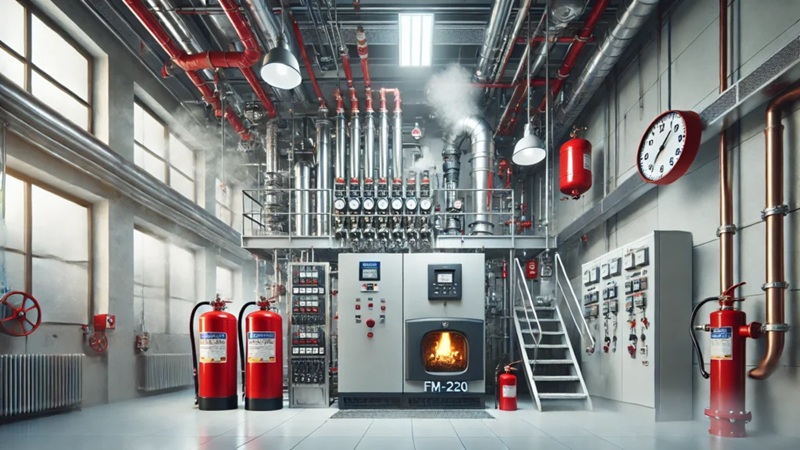
Effective industrial safety relies on several fire protection elements working together. This includes fire alarms, smoke detectors, heat sensors, fire hydrants, sprinklers, fire pumps, extinguishers, suppression systems, and control panels. Detection systems identify early threats, while suppression equipment like FM-200, CO₂, NOVEC 1230, and foam extinguish the fire instantly. For large facilities, automatic systems ensure rapid response without human intervention.
Emergency Lighting & Evacuation Systems
During smoke or power failure, emergency lighting and illuminated exit pathways guide workers safely to assembly points. Industrial plants must include fire-rated doors, emergency signage, muster point plans, and evacuation alarms. These systems are essential for chemical plants, refineries, warehouses, and manufacturing units where visibility drops fast during emergencies.
Inspection, Testing & Maintenance Requirements
Fire & life safety systems require regular inspection as per NFPA 25, NFPA 72, and Civil Defense guidelines. Testing includes checking alarm panels, pumps, valves, sprinklers, detectors, extinguishers, and emergency lights. Preventive maintenance ensures reliability and eliminates failures during actual emergencies. Documentation and certification are critical for audit and compliance.
Conclusion
Fire & life safety systems are essential for any industrial facility that prioritizes safety, compliance, and operational continuity. With proper installation, testing, and regular maintenance, industries can significantly reduce fire risks, protect their workforce, and ensure uninterrupted operations. Investing in professional fire safety solutions is an investment in long-term security and sustainability.