
High-Quality Pipeline Fabrication & Welding: What Industries Must Look For
Why Pipeline Fabrication Quality Matters
Pipeline fabrication is one of the most critical components in industries such as oil & gas, petrochemicals, water treatment, construction, and power generation. High-quality pipelines ensure reliable flow of liquids or gases under high pressure, extreme temperatures, and corrosive environments. Poor-quality pipelines can result in leaks, environmental hazards, downtime, and costly repairs. Therefore, companies must evaluate fabrication quality, welding standards, and material integrity before selecting a contractor. A strong fabrication process ensures long-term reliability, safety, and operational efficiency.
Key Qualities to Look for in Pipeline Welding
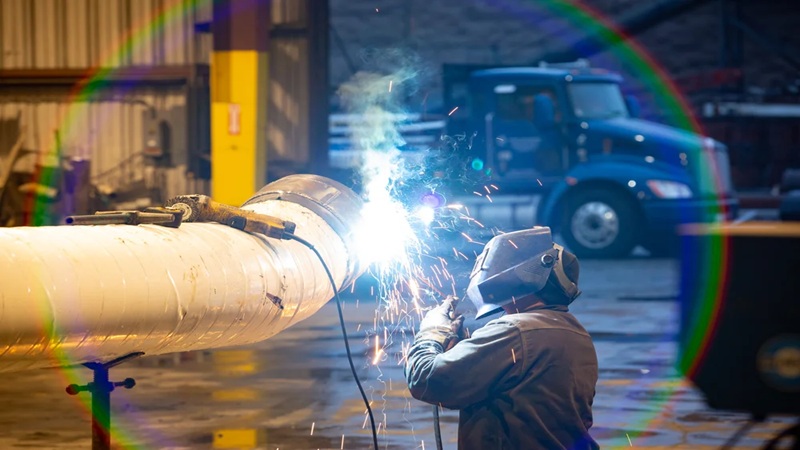
Welding plays a crucial role in determining pipeline strength. Industries should ensure that contractors follow ASME, API, and AWS welding standards. Qualified welders, certified procedures, and advanced welding techniques—such as GTAW, SMAW, FCAW, and MIG—are essential. X-ray and ultrasonic tests help verify weld quality. High-precision welding reduces the risk of cracks, deformities, and joint failures, especially in high-pressure pipelines. Modern fabrication facilities also use CNC cutting, automatic welding systems, and advanced beveling machines for perfect accuracy.
Material Selection & Corrosion Protection
Selecting the right material—such as carbon steel, stainless steel, alloy steel, or duplex—is crucial based on temperature, pressure, and chemical exposure. Corrosion protection is equally important. Industries should look for contractors who offer coating, galvanizing, and cathodic protection. High-performance materials and coatings ensure long-term durability and reduce lifecycle costs. Quality fabrication also includes proper fit-up, alignment, and dimensional accuracy to maintain smooth fluid flow.
Inspection, Testing & Certification
Before commissioning, pipelines must undergo hydrostatic testing, NDT inspection, dimensional checks, and pressure verification. Certified inspectors ensure that all pipelines meet international standards. Proper inspection prevents failure under real working conditions, ensuring reliability and safety. Documentation and QA/QC records help industries validate that fabrication and welding processes meet compliance requirements.
Conclusion
High-quality pipeline fabrication and welding are essential for industries that depend on uninterrupted and safe fluid transfer. By choosing contractors who follow strict welding standards, use high-grade materials, implement corrosion protection, and perform rigorous testing, industries can ensure longevity and trouble-free operation. A well-fabricated pipeline system not only improves efficiency but also significantly reduces downtime, safety risks, and long-term maintenance costs.