
Why Preventive & Corrective Maintenance Is Critical for Industrial Plants
Importance of Maintenance
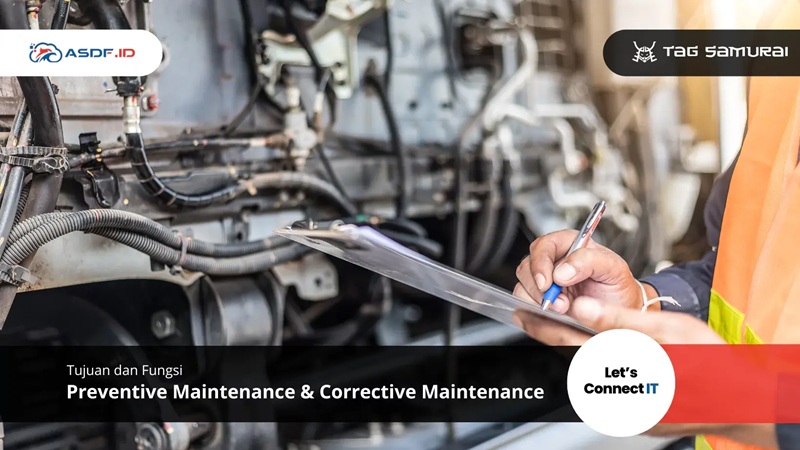
Industrial plants rely on complex machinery and equipment that operate continuously under high stress. Preventive maintenance ensures that all equipment is inspected, serviced, and repaired before failure occurs, reducing unexpected downtime. Corrective maintenance addresses issues as they arise, restoring systems to optimal condition. Together, they enhance operational reliability, reduce emergency repairs, and extend the lifespan of machinery. Companies that adopt systematic maintenance strategies benefit from higher productivity, lower operational costs, and improved workplace safety.
Preventive Maintenance Strategies
Preventive maintenance includes scheduled inspections, lubrication, calibration, replacement of worn-out parts, and predictive monitoring using IoT sensors. By analyzing equipment data, plant managers can identify potential problems early, schedule repairs, and prevent catastrophic failures. This proactive approach not only ensures consistent production quality but also minimizes energy consumption and reduces the environmental impact of inefficient machinery. Modern plants increasingly rely on computerized maintenance management systems (CMMS) to track maintenance schedules and optimize resource allocation.
Corrective Maintenance and Safety
Corrective maintenance is essential for addressing unexpected equipment malfunctions promptly. While preventive maintenance reduces the frequency of breakdowns, corrective maintenance ensures that failures do not disrupt operations for long periods. Prompt repairs and replacements protect both personnel and equipment, minimizing the risk of accidents, production losses, and compliance violations. A balanced combination of preventive and corrective maintenance creates a resilient operational environment for industrial plants.
Conclusion
In conclusion, preventive and corrective maintenance are critical pillars for industrial plant efficiency and safety. By integrating systematic maintenance plans, leveraging technology for predictive monitoring, and training skilled personnel, industrial facilities can achieve maximum uptime, cost efficiency, and regulatory compliance. Organizations that prioritize maintenance demonstrate commitment to sustainability, operational excellence, and long-term growth, ensuring that industrial operations remain reliable and productive.